Sleep Problems: Types, Symptoms, Relief, & Treatment Guide
Sleep problems encompass a wide range of disorders that can significantly impact a person’s physical health, mental well-being, and daily functioning. Approximately one-third of the global population reports experiencing some form of sleep loss. Understanding the various types of sleep disorders, their symptoms, and available treatments is essential for regaining quality rest.
Common Types of Sleep Disorders
Sleep-wake circadian disorders are heterogeneous in their manifestation and are generally classified into several categories:
- Insomnia: This is the most frequent sleep disorder, characterised by persistent complaints of difficulty initiating or maintaining sleep despite having adequate opportunity.
- Sleep-Related Breathing Disorders: The most common form is Obstructive Sleep Apnea (OSA), where the airway becomes blocked during sleep. Central Sleep Apnea (CSA) occurs when the brain fails to send proper signals to the muscles that control breathing.
- Sleep-Related Movement Disorders: This includes Restless Legs Syndrome (RLS), also known as Willis-Ekbom Disease, which involves an irresistible urge to move the limbs.
- Circadian Rhythm Sleep-Wake Disorders: These involve a misalignment between a person’s internal biological clock and the environment, such as Delayed Sleep Phase Disorder, often seen in those who naturally prefer very late bedtimes.
- Central Disorders of Hypersomnolence: These include conditions like narcolepsy, which cause excessive daytime sleepiness despite getting enough sleep at night.
Recognising Symptoms
Symptoms vary depending on the specific disorder but often include:
- Daytime fatigue, malaise, or sleepiness.
- Loud, bothersome snoring or witnessed pauses in breathing (witnessed apneas).
- Difficulty concentrating, mood disturbances, or irritability.
- Uncomfortable sensations in the legs or arms, such as tingling or burning, that worsen at night.
- Frequent awakenings or gasping/choking during the night.
Relief through Lifestyle and Home Remedies
Many sleep issues can be managed or improved with non-pharmacological interventions:
- Sleep Hygiene: Establishing a consistent sleep schedule (even on weekends), keeping the bedroom cool, dark, and quiet, and avoiding caffeine or alcohol near bedtime are foundational steps.
- Nutrition and Diet: Consuming functional foods like tart cherries, which contain natural melatonin, or kiwifruit before bed may improve sleep quality. Reducing high-calorie “craveable” foods is also beneficial, as sleep loss can increase hunger-regulating hormones like ghrelin.
- Physical Comfort: For those with RLS, massaging the affected area, taking a warm bath, or performing gentle stretches before bed can provide immediate relief.
- Positioning and Support: Adjusting sleep positions—such as sleeping on your side instead of your back—can help keep the airway open for those with OSA.
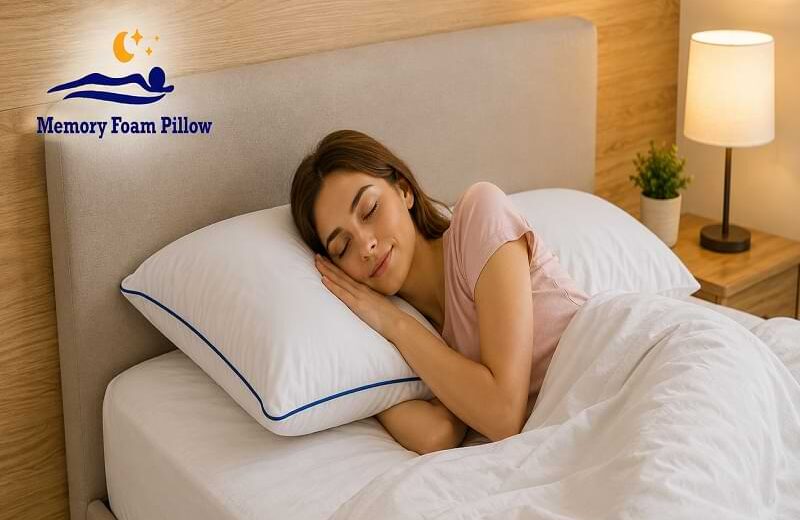
Note: While not mentioned in the provided sources, many individuals also find relief using a cervical pillow to provide better neck alignment and comfort, though you should independently verify the effectiveness of specific pillow types for your condition.
Clinical Treatment and Therapy
If lifestyle changes are insufficient, professional medical treatment may be necessary:
- Cognitive Behavioural Therapy for Insomnia (CBT-I): Recognised as the gold-standard treatment for chronic insomnia, CBT-I addresses root causes through techniques like stimulus control (associating the bed only with sleep) and sleep restriction.
- Positive Airway Pressure (PAP) Therapy: For OSA, a CPAP machine is the most common treatment, delivering air pressure through a mask to keep the airway open.
- Pharmacotherapy: Doctors may prescribe medications like melatonin for circadian issues, dopaminergic agents for RLS, or Dual Orexin Receptor Antagonists (DORAs) for insomnia. Over-the-counter aids, such as antihistamines, are generally only recommended for short-term use due to the risk of developing a tolerance.
- Medical Devices: Mandibular advancement devices (MAD) are oral appliances that hold the jaw forward to prevent airway obstruction.
Also Read:- What is Sleep Insomnia?
Conclusion
In summary, sleep is a foundational pillar of health, as critical as nutrition and physical activity for maintaining metabolic function, hormonal balance, and cognitive performance. Whether you are dealing with the persistent wakefulness of insomnia, the breathing disruptions of sleep apnea, or the uncomfortable sensations of restless legs syndrome, understanding the root causes is the first step toward recovery. While temporary relief can sometimes be found through home remedies or physical supports—such as a cervical pillow for neck alignment (not mentioned in the sources, so please verify independently)—long-term success typically requires a combination of good sleep hygiene, evidence-based behavioral therapies like CBT-I, and professional medical intervention when necessary. Prioritizing quality rest is an investment in your long-term resilience and daily well-being.
Also Read:- Narcolepsy: Symptoms, Diagnosis and Management Guide
FAQs
Most individuals begin to see significant improvements in their sleep quality within 5 to 6 weeks of consistent practice. Unlike medication, which provides a temporary fix, CBT-I focuses on retraining the brain and body for sustainable, long-term results.
To stop the “creeping” or “crawling” sensations of RLS immediately, you can try massaging the affected limbs, taking a warm Epsom salt bath, or using heating pads or ice packs for 20 minutes. Gentle stretching before bed and maintaining regular daily exercise also help reduce the frequency of symptoms.
Generally, OTC sleep aids are intended for short-term use only (one week or less). Long-term use can lead to tolerance, meaning you need higher doses to get the same effect, and may cause side effects like daytime grogginess, confusion, and dizziness, particularly in older adults.
Yes, some “functional foods” have been shown to improve sleep quality. Tart cherries contain natural melatonin which can increase sleep efficiency. Consuming two kiwifruits one hour before bedtime has also been linked to significant improvements in total sleep time and recovery.
Used in Stimulus Control therapy, this rule suggests that if you are unable to fall asleep after roughly 20 minutes and feel frustrated, you should get out of bed. Go to another room and perform a quiet, low-light activity until you feel sleepy again. This prevents your brain from associating the bed with wakefulness and anxiety.
You should seek professional clinical support if your insomnia has lasted 3 months or longer. If you experience gasping or choking during the night, or if poor sleep is significantly affecting your work, relationships, or daily functioning.