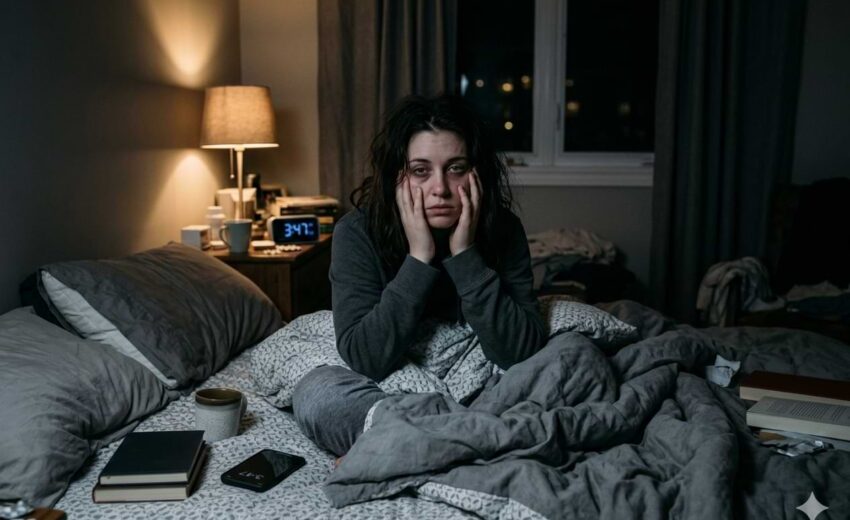
What is Sleep Insomnia?
What is Sleep Insomnia?
Causes, Symptoms & Treatments
You’re exhausted — but sleep won’t come. Here’s everything you need to finally understand why, and what to do about it.
You climb into bed, completely exhausted — and then nothing happens. Your mind races. You check the clock. 1 AM. 2 AM. 3 AM. Sound familiar? If so, you may be experiencing sleep insomnia, one of the most frustrating and underestimated sleep disorders in the world.
Sleep insomnia is not just a “bad night.” It is a real sleep disorder that affects how you fall asleep, how long you stay asleep, and how refreshed you feel the next morning. According to sleep health data, insomnia affects roughly 1 in 3 adults at some point in their lives — making it one of the most common health complaints worldwide.
The good news? Once you understand sleep insomnia — what it is, why it happens, and how to treat it — you can take real, lasting steps toward better nights. In this guide, we’ll break it all down in simple, jargon-free language.
What you’ll learn: The meaning of insomnia, its different types, common causes and symptoms, evidence-backed treatments, and practical tips to start sleeping better tonight.
What Is Sleep Insomnia?
At its simplest, sleep insomnia is a sleep disorder characterised by persistent difficulty falling asleep, staying asleep, or getting restorative sleep — even when you have plenty of time and opportunity to do so.
The key word here is persistent. Everyone has the occasional restless night. Insomnia becomes a recognised sleep disorder when it happens three or more nights per week, lasts for a significant period of time, and starts affecting your daily functioning — your mood, energy, focus, or relationships.
Insomnia is different from simply being a “light sleeper” or going through a brief stressful period. It follows a pattern, and it is often self-reinforcing: the more you worry about not sleeping, the harder sleeping becomes.
Unlike a sleep disorder like sleep apnea — which has a physical cause (blocked airways) — insomnia is most often driven by a combination of mental, behavioural, and environmental factors. This is actually good news, because it means lifestyle and behavioural changes can make a significant difference.
Types of Insomnia
Not all insomnia is the same. Understanding the type you have is the first step toward choosing the right approach. Here are the four main categories:
Acute Insomnia
Lasts a few days to a few weeks. Usually triggered by a specific stressful event — a job interview, exam, relationship problem, or life change. Often resolves on its own once the stressor passes.
Chronic Insomnia
Occurs at least three nights per week for three months or more. Often has no single obvious cause and may be linked to anxiety, depression, medication, or deeply ingrained poor sleep habits. Requires structured treatment.
Onset Insomnia
Difficulty falling asleep at the beginning of the night. Often driven by overthinking, anxiety, or stimulating activities (like screen use) too close to bedtime. The brain simply won’t “switch off.”
Maintenance Insomnia
You fall asleep fine but wake repeatedly throughout the night — or very early in the morning — and struggle to get back to sleep. Often linked to stress hormones, pain, or mental health conditions.
Many people experience more than one type at once. For example, you might have chronic onset insomnia — struggling to fall asleep, and doing so for months or years. The overlap is common, and treatment approaches can address multiple types simultaneously.
Causes of Sleep Insomnia
Sleep insomnia rarely appears out of nowhere. In most cases, it is caused by a combination of mental, physical, and lifestyle factors. Here are the most common culprits:
-
😰Stress & Anxiety When your brain is flooded with cortisol (the stress hormone), it cannot enter the calm state needed for sleep. Work pressure, financial worry, and relationship conflicts are among the most common triggers for both acute and chronic insomnia.
-
📱Screen Time & Blue Light Phones, tablets, and computers emit blue light that suppresses melatonin — the hormone that signals your body it’s time to sleep. Using screens within 30–60 minutes of bedtime directly delays sleep onset.
-
☕Caffeine & Alcohol Caffeine has a half-life of about 5–6 hours, meaning your 4 PM coffee is still half-active at 10 PM. Alcohol may make you feel drowsy initially, but it fragments sleep and suppresses restorative REM stages.
-
🕰️Irregular Sleep Schedule Your body clock (circadian rhythm) depends on consistency. Sleeping and waking at very different times each day — especially on weekends — confuses your internal schedule and makes quality sleep harder to achieve.
-
🏥Medical Conditions Chronic pain, sleep apnea, acid reflux, asthma, thyroid imbalances, and hormonal changes (especially in women during pregnancy or menopause) can all physically interrupt or prevent restful sleep.
-
🛏️Poor Sleep Environment A bedroom that is too warm, too bright, too noisy, or with an unsupportive mattress or pillow keeps your body in a state of low-level alertness — making deep, restorative sleep difficult to reach or maintain.
Key insight: Stress, poor sleep habits, caffeine, disrupted schedules, and an uncomfortable sleep environment are the most consistently documented causes of sleep insomnia across clinical research.
Symptoms of Insomnia
Sleep insomnia affects both your nights and your days. Here are the most recognised symptoms to watch for:
Clinical note: According to sleep medicine guidelines, symptoms must occur at least three nights per week and cause meaningful distress or daytime impairment to qualify as an insomnia disorder — not just occasional sleeplessness.
Effects of Insomnia on Your Health
Many people dismiss insomnia as simply “not sleeping well.” But chronic sleep deprivation has documented effects across virtually every system in the body:
- Mental health: Ongoing insomnia significantly increases the risk of depression and anxiety disorders. The relationship is bidirectional — poor sleep worsens mental health, and mental health issues worsen sleep.
- Heart health: Chronic sleep deprivation is associated with elevated blood pressure, increased inflammation, and a higher risk of heart disease and stroke.
- Immune function: During deep sleep, your body produces and releases cytokines — proteins essential for fighting infections. Regular insomnia suppresses this process, making you more susceptible to illness.
- Reduced productivity: Impaired memory, decision-making, and creativity affect performance at work and in daily life. Studies estimate that workplace insomnia costs the economy billions each year in lost productivity.
- Safety risks: Sleep-deprived individuals have slower reaction times, impaired judgment, and reduced alertness — raising the risk of traffic accidents and workplace injuries.
- Metabolic effects: Poor sleep disrupts appetite-regulating hormones (ghrelin and leptin), which can increase cravings, lead to weight gain, and raise the risk of type 2 diabetes over time.
How to Treat Insomnia
The right treatment depends on the type and severity of your insomnia. Here are the most effective approaches, from lifestyle adjustments to professional therapies:
-
1
Lifestyle Changes
The foundation of insomnia treatment. Establishing a consistent sleep schedule, reducing caffeine and alcohol, limiting naps to 20 minutes, and exercising regularly can dramatically improve sleep quality — often within weeks.
-
2
Sleep Hygiene
Optimising your sleep environment and pre-bed routine: keeping your room cool (16–19°C / 61–66°F), dark, and quiet; avoiding screens before bed; creating a wind-down ritual; and ensuring your bedding properly supports your body.
-
3
Cognitive Behavioural Therapy for Insomnia (CBT-I)
The gold-standard treatment for chronic insomnia. CBT-I identifies and changes the thoughts and behaviours that perpetuate poor sleep. It includes sleep restriction therapy, stimulus control, and relaxation training — with long-term results that surpass sleeping pills, without dependency or side effects.
-
4
Natural Remedies
Herbal teas (chamomile, valerian root), aromatherapy with lavender oil, magnesium supplements, and relaxation techniques like progressive muscle relaxation or 4-7-8 breathing can all support sleep — particularly for mild insomnia.
-
5
Medical Treatment
For severe or persistent cases, a doctor may prescribe short-term sleep medication or melatonin supplements. These are most effective as a bridge while lifestyle and CBT-I approaches take effect — not as long-term solutions.
Tips to Sleep Better at Night — Naturally
Beyond formal treatments, these practical habits can make a meaningful difference starting tonight. Consistency is the key — small changes applied daily compound into lasting results.
Your Better Sleep Checklist
Your sleep environment plays a larger role than most people realise. Beyond temperature and darkness, the pillow you use directly affects your ability to stay asleep. Poor neck support leads to discomfort that interrupts sleep cycles without you always knowing why.
Best Products for Better Sleep
The right sleep accessories won’t cure insomnia on their own — but they can eliminate physical discomfort that makes falling and staying asleep much harder. Here are the top product categories to consider:
Contours to your neck and shoulders for perfect spinal alignment. Reduces the tossing and turning caused by pressure points and discomfort.
Explore Options →Elevates the head and upper body — excellent for those whose insomnia is worsened by acid reflux, snoring, or breathing issues at night.
Learn More →Provides full-body support for side sleepers, reducing hip and lower back pressure that causes frequent waking. Especially helpful during pregnancy.
Learn More →When to See a Doctor
Natural remedies and sleep hygiene improvements work well for most cases of acute or mild insomnia. But some situations call for professional medical support. Do not delay seeking help if you experience any of the following:
Seek medical help if you experience:
- Insomnia persisting for 3+ months despite lifestyle changes
- Severe daytime impairment affecting work or safety
- Loud snoring or gasping during sleep (possible sleep apnea)
- Symptoms of depression, anxiety, or panic attacks
- Dependency developing on sleep medication or alcohol to sleep
- Physical pain or discomfort preventing sleep
A GP or sleep specialist can assess whether you have an underlying condition, recommend CBT-I therapy, or refer you for a polysomnography (sleep study) if necessary. Early professional intervention prevents acute insomnia from becoming a long-term problem.
Frequently Asked Questions
- Go to bed and wake at the same time for several consecutive days
- Avoid caffeine after 2 PM and screens 45 minutes before bed
- Practice 4-7-8 breathing or progressive muscle relaxation before sleep
- Keep your bedroom cool, dark, and quiet
- Get up if you can’t sleep after 20 minutes — do something calm and return when sleepy
- A strict, consistent sleep-wake schedule every day
- CBT-I techniques (sleep restriction, stimulus control)
- Reducing caffeine, alcohol, and evening screen exposure
- Daily exercise (not within 3 hours of bedtime)
- Relaxation techniques: meditation, deep breathing, progressive muscle relaxation
- Sleep-supporting foods: kiwi, almonds, chamomile tea, warm milk
- A comfortable sleep environment with proper pillow support
Sleep Is Not a Luxury — It’s a Foundation
Sleep insomnia is common, but it is not something you have to simply endure. Whether you are dealing with short-term sleeplessness from stress or years of chronic insomnia, there are effective, evidence-backed paths toward better sleep.
Start with the basics: a consistent sleep schedule, a cooler and darker bedroom, less caffeine and screen time, and a pillow that genuinely supports your body. Then layer in relaxation techniques, sleep-friendly foods, and — if needed — CBT-I with a professional.
Your body knows how to sleep. Sometimes it just needs the right conditions.
Explore Sleep Solutions →Also Read:- Cervical Spondylotic Myelopathy: A Guide to Diagnosis and Management