
Sleeping Positions: Types, Benefits, & Best Positions
Sleep is not just about how long you rest—it’s also about how you rest. The way your body is positioned during sleep can influence everything from spinal health to breathing patterns and even digestion. Understanding different sleeping positions can help you improve sleep quality and overall well-being. Drawing from widely accepted sleep research (including insights similar to those found on Sleep Foundation), this guide explores the types of sleeping positions, their advantages, and how to choose the best one for your needs.
What Are Sleeping Positions?
Sleeping positions refer to the posture your body adopts while resting. These different ways of sleeping affect pressure points, alignment of the spine, and airflow. While many people naturally settle into a preferred position, small adjustments can make a big difference in comfort and health.
There are several types of sleeping positions, each offering distinct benefits and drawbacks. Choosing the right one depends on your health conditions, comfort level, and sleep habits.
Types of Sleeping Positions
Back Sleeping (Supine Position)
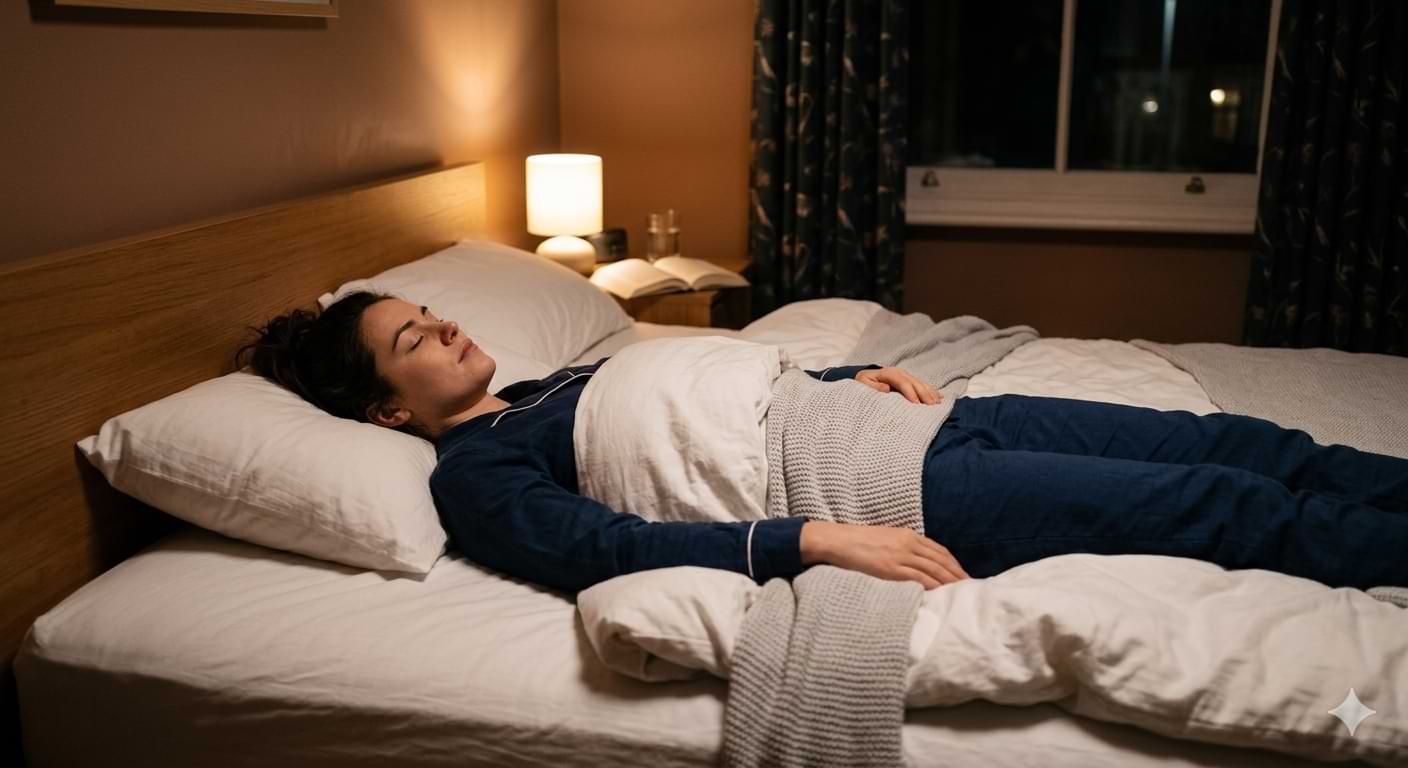
Sleeping on your back is one of the most recommended positions by sleep experts. In this posture, your head, neck, and spine remain in a neutral alignment.
One of the main benefits of sleeping on your back is reduced pressure on joints and muscles. It can also help prevent wrinkles and skin irritation since your face isn’t pressed against a pillow. Additionally, this position supports even weight distribution across the body.
However, back sleeping may not be ideal for everyone. It can worsen snoring and may contribute to breathing issues, especially for people with sleep-related breathing concerns.
Side Sleeping
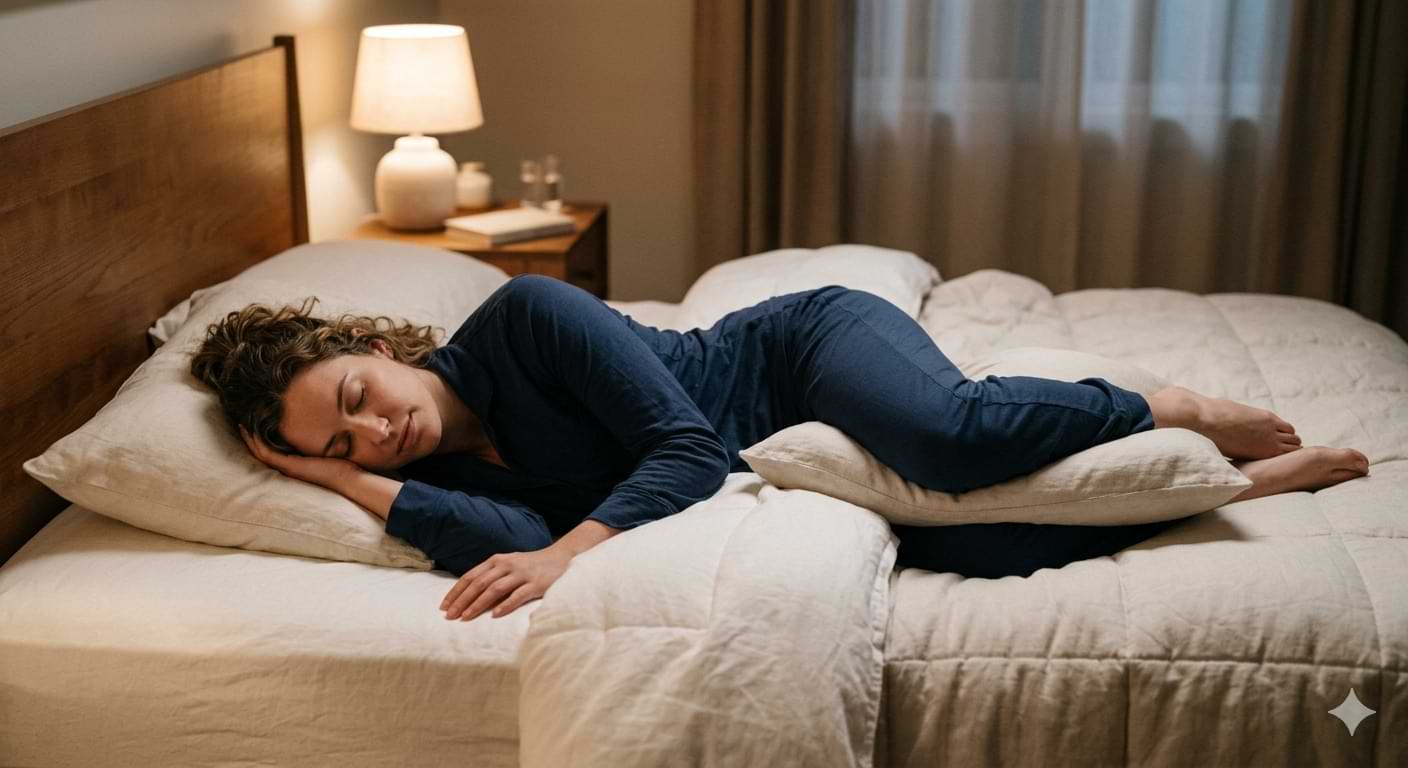
Side sleeping is one of the most common different sleeping positions worldwide. In this position, the body rests on either the left or right side.
Side sleeping is often recommended for improving digestion and reducing acid discomfort. It can also help keep airways open, making it one of the best sleep positions to stop coughing or reduce snoring. Many people also find it more comfortable, especially when using supportive pillows.
However, side sleeping can sometimes lead to shoulder or hip pressure if proper support isn’t used.
Fetal Position
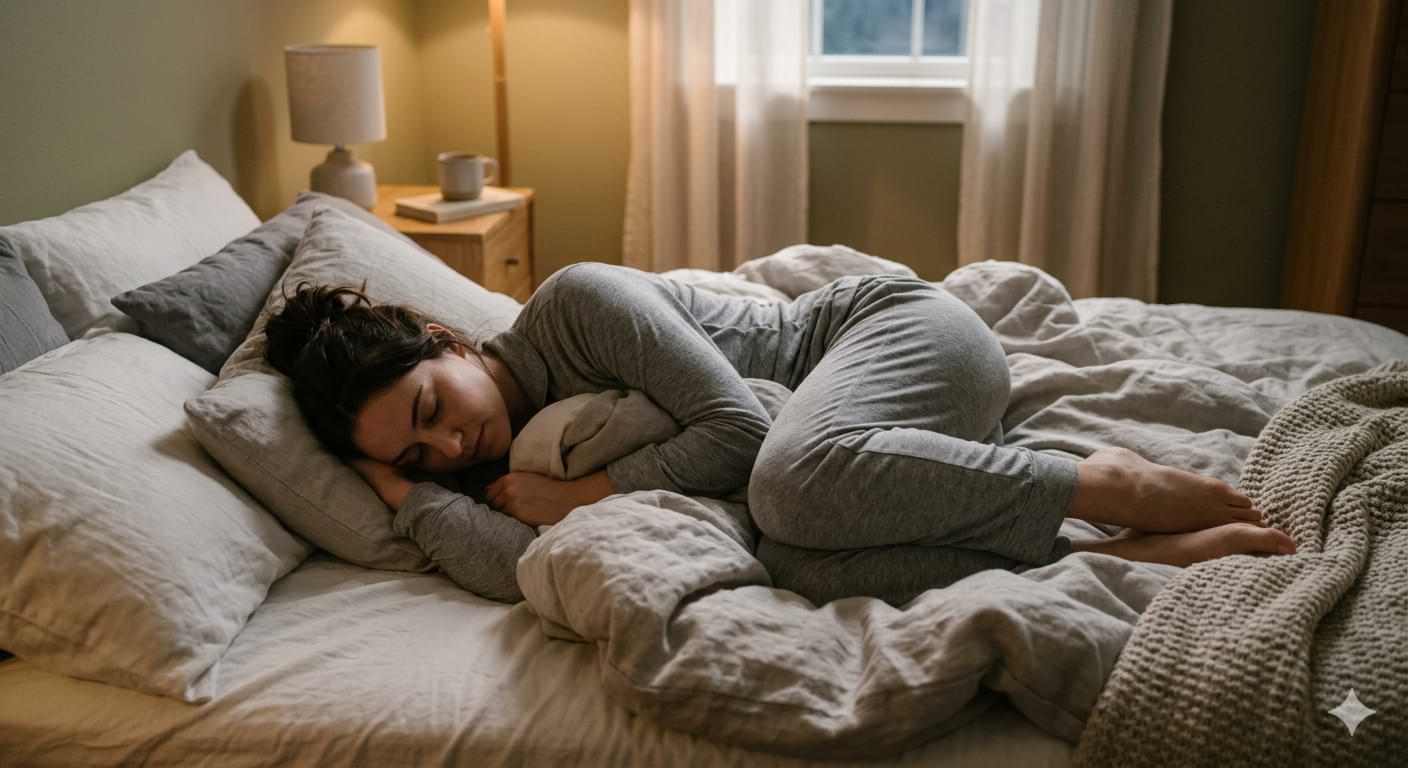
The fetal position is a variation of side sleeping where the knees are drawn toward the chest. It is among the most popular types of sleeping positions, especially for those who prefer a curled posture.
This position can provide a sense of comfort and security. It’s particularly beneficial during colder nights or for individuals seeking relief from lower back discomfort.
However, curling too tightly may restrict breathing or cause stiffness, so maintaining a relaxed posture is important.
Stomach Sleeping (Prone Position)
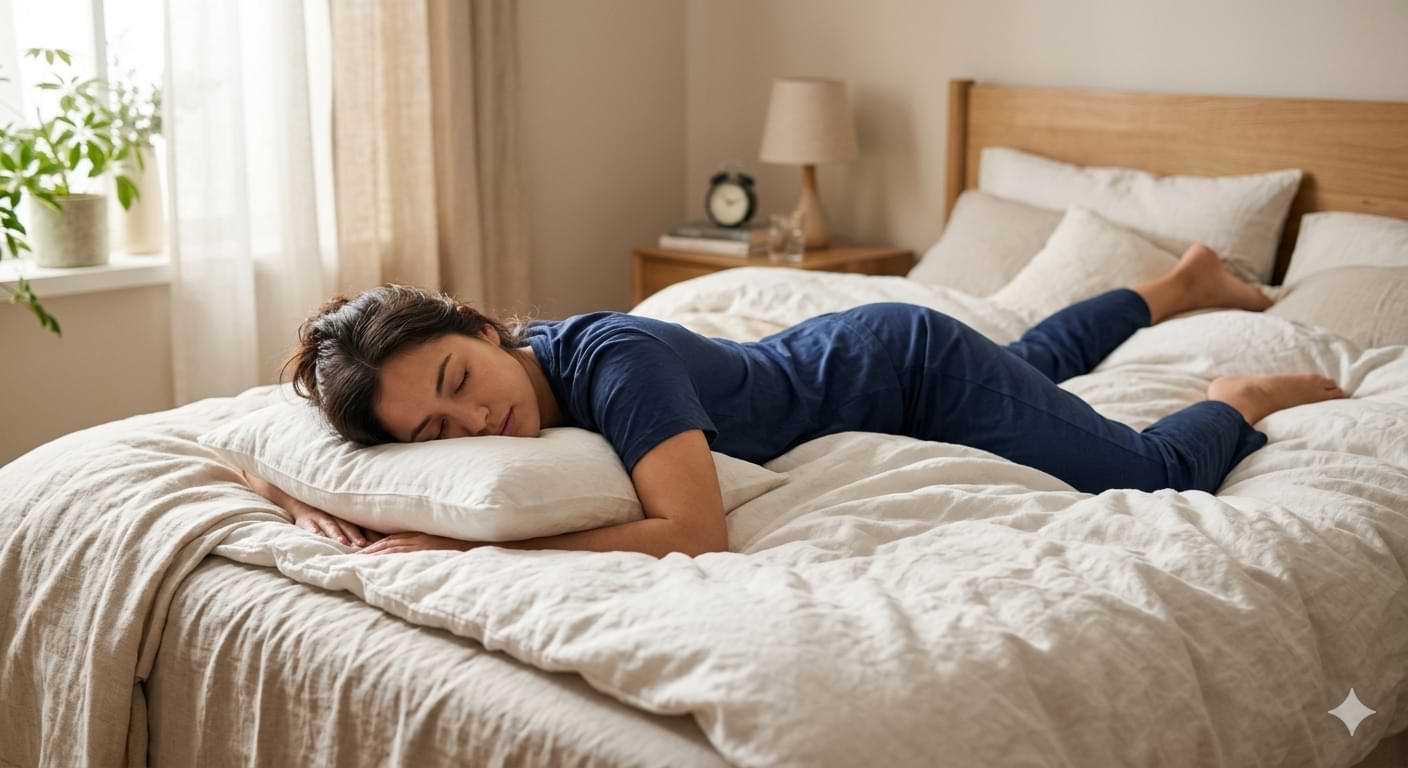
Stomach sleeping involves lying face down with the head turned to one side. While it is one of the less common different ways of sleeping, some people find it comfortable.
This position may help reduce snoring because it keeps the airway open. For individuals looking for sleep positions to stop coughing, stomach sleeping can sometimes provide temporary relief.
On the downside, it often places strain on the neck and spine, leading to discomfort or pain over time.
Benefits of Different Sleeping Positions
Improved Spinal Alignment
Certain types of sleeping positions, especially back and side sleeping, help maintain proper spinal alignment. This reduces strain on muscles and prevents long-term posture issues.
Better Breathing
Positions like side sleeping can improve airflow and reduce airway obstruction. This makes them helpful for those dealing with snoring or nighttime coughing.
Reduced Pain and Discomfort
The right sleeping position can alleviate pressure on joints and muscles. For example, the benefits of sleeping on your back include reduced back and neck pain due to even weight distribution.
Enhanced Digestion
Sleeping on the left side is often linked to better digestion. It supports natural digestive processes and can reduce discomfort after meals.
Best Sleeping Positions for Specific Needs
Sleep Positions to Stop Coughing
If coughing disrupts your sleep, adjusting your position can help. Side sleeping is widely recommended because it prevents mucus buildup and keeps airways open. Elevating the head with pillows can also make a significant difference.
Among the different sleeping positions, side and slightly elevated back sleeping are the most effective for reducing nighttime coughing.
Best Position for Back Pain
Back sleepers often benefit from placing a pillow under knees to maintain spinal curvature. Side sleepers can place a pillow between their knees to reduce pressure on the lower back.
Choosing the right position from the types of sleeping positions can significantly ease chronic pain.
Best Position for Snoring
Snoring is often worse when lying on the back. Switching to side sleeping is one of the simplest and most effective solutions.
Among all different ways of sleeping, side sleeping consistently ranks as one of the best for reducing snoring.
Best Position for Digestion
Left-side sleeping is considered optimal for digestion. It allows gravity to assist the digestive system and reduces discomfort after eating.
This is one of the most practical adjustments you can make when exploring different sleeping positions.
Tips for Improving Your Sleeping Position
Use Proper Pillows
A good pillow supports the neck and keeps the spine aligned. For back sleepers, a medium-thickness pillow works best. Side sleepers may need a firmer, thicker option.
Maintain Neutral Alignment
Regardless of the types of sleeping positions you prefer, keeping your spine in a neutral position is essential. Avoid twisting your body unnaturally.
Adjust Gradually
Changing your sleeping position can take time. Start with small adjustments and allow your body to adapt naturally.
Support Your Body
Use pillows strategically—for example, between the knees or under the lower back—to enhance comfort.
Common Mistakes to Avoid
Many people unknowingly adopt poor sleeping habits. One common mistake is using the wrong pillow, which can strain the neck. Another is sticking to uncomfortable positions out of habit.
Even when exploring different ways of sleeping, comfort and alignment should always be the priority.
How to Choose the Best Sleeping Position
The best sleeping position depends on your individual needs. Factors such as health conditions, comfort preferences, and lifestyle all play a role.
If you experience back pain, focus on alignment. If breathing issues are a concern, consider side sleeping. Understanding the types of sleeping positions allows you to make informed choices that improve your sleep quality.
Conclusion
Your sleeping position is more important than you might think. From spinal health to breathing and digestion, the way you sleep has a direct impact on your overall well-being. Exploring different sleeping positions and understanding their benefits can help you find the most comfortable and supportive option.
While there is no one-size-fits-all solution, paying attention to your body and making small adjustments can lead to better rest and improved health. Whether you prefer back, side, or stomach sleeping, the key is to maintain proper alignment and comfort throughout the night.
FAQs
What is the healthiest sleeping position?
Back and side sleeping are generally considered the healthiest. They support spinal alignment and reduce pressure on joints.
Which sleeping position is best for coughing?
Side sleeping is one of the most effective sleep positions to stop coughing, as it helps keep airways clear and reduces irritation.
Are there benefits of sleeping on your back?
Yes, the benefits of sleeping on your back include improved spinal alignment, reduced pressure points, and better posture support.
Is stomach sleeping bad?
Stomach sleeping can strain the neck and spine. While it may help reduce snoring, it’s not ideal for long-term comfort.
How can I change my sleeping position?
Start gradually by using pillows for support and practicing new positions consistently until they feel natural.
-
Best Rakhi Gift Ideas for Your Sister for Better Sleep
Raksha Bandhan is that one day of the year when a simple thread carries the weight of a lifetime of memories, protection, and love. While sweets and traditional gifts have their own charm, many brothers today are looking for something more meaningful — gifts that show they genuinely care about their sister’s everyday wellbeing. This…
-
What Things Does a Pregnant Woman Need? A Comprehensive Guide
The journey of pregnancy brings significant changes to a woman’s body, lifestyle, and priorities. From the excitement of the first trimester to the physical challenges of the third, preparing for a new baby involves more than just buying nursery furniture; it requires focusing on maternal health, comfort, and practical preparations. This guide explores the essential…
-
How to Prevent Neck Pain While Sleeping and Traveling?
Waking up with a stiff, aching neck or stepping off a long flight or car ride feeling like your shoulders are made of concrete is an experience far too many people share. Neck pain during sleep and travel is one of the most common complaints people bring up with physiotherapists and chiropractors, and it usually…
-
How Can I Improve My Sleep Health? Tips for Better Sleep & Wellness
A good night’s sleep is a fundamental pillar of health, just as vital as regular exercise and a balanced diet. Research indicates that poor sleep quality or duration can have significant detrimental impacts on your cognitive function, mood, cardiovascular health, and immune system. Furthermore, chronic sleep deprivation is linked to an increased risk of developing…
-
Yoga Asanas: Meaning, Benefits, Types, and Comprehensive Information
Rolling out a mat for the first time can feel oddly intimidating. There are dozens of Sanskrit names, a hundred different opinions on “correct” alignment, and an endless scroll of Instagram poses that look nothing like what your body can currently do. The good news is that yoga, at its root, was never meant to…
-
Sleep Problems: Types, Symptoms, Relief, & Treatment Guide
Sleep problems encompass a wide range of disorders that can significantly impact a person’s physical health, mental well-being, and daily functioning. Approximately one-third of the global population reports experiencing some form of sleep loss. Understanding the various types of sleep disorders, their symptoms, and available treatments is essential for regaining quality rest. Common Types of…