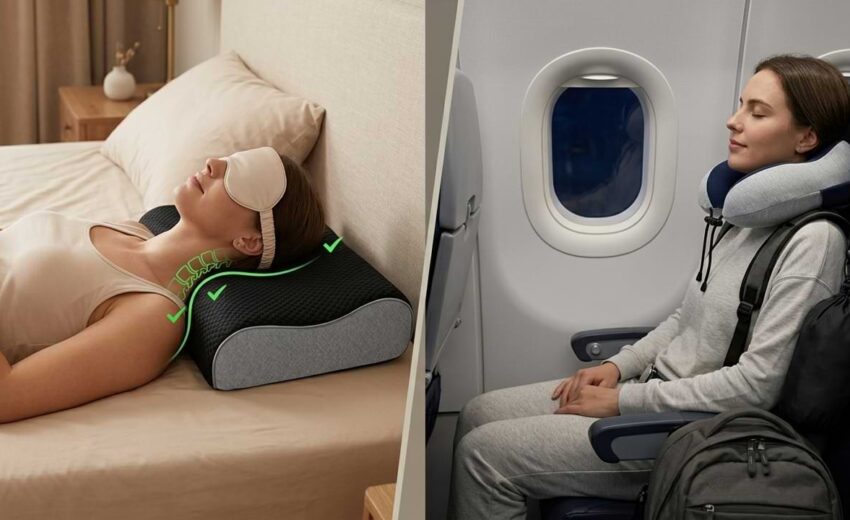
How to Prevent Neck Pain While Sleeping and Traveling?
Waking up with a stiff, aching neck or stepping off a long flight or car ride feeling like your shoulders are made of concrete is an experience far too many people share. Neck pain during sleep and travel is one of the most common complaints people bring up with physiotherapists and chiropractors, and it usually comes down to a few preventable habits — poor posture, unsupportive pillows, and long hours spent in awkward positions. The good news is that with the right sleeping posture, proper support tools, and a few lifestyle adjustments, you can significantly reduce or completely avoid neck pain, whether you’re sleeping at home or traveling across the country. This article breaks down everything you need to know, from the root causes of neck pain to practical, easy-to-follow solutions.
Understanding Why Neck Pain Happens While Sleeping and Traveling
Neck pain typically develops when the muscles, ligaments, or joints in the cervical spine are placed under unnatural strain for extended periods. During sleep, this often happens when the head and neck aren’t properly aligned with the spine, forcing muscles to work overtime just to hold the head steady. While traveling, the situation is made worse by cramped seating, awkward head positions during naps, and hours of sitting without movement. Both scenarios essentially punish the neck for the same reason: lack of proper support and alignment over a sustained period of time.
Common Causes of Neck Pain During Sleep
There are several everyday habits that contribute to nighttime neck pain, and most people aren’t even aware they’re doing them. Sleeping on your stomach, using a pillow that’s too high or too flat, and shifting into awkward positions throughout the night are some of the biggest culprits. Old, worn-out mattresses that no longer support the spine properly can also indirectly affect neck posture. Additionally, stress and tension held in the shoulders and upper back often radiate upward into the neck, making the pain worse by morning.
How Travel Contributes to Neck and Shoulder Stiffness
Long journeys, whether by plane, train, or car, force the body into static positions for hours at a time. Airplane and car seats rarely offer adequate head or neck support, which means your neck muscles are constantly working to keep your head from slumping to one side. This is especially true during naps, when the muscles relax and the head tends to droop forward or sideways without warning. Combine this with dehydration, poor circulation from sitting still, and the vibration of car or plane travel, and it’s easy to see why so many travelers arrive at their destination with sore, stiff necks.
The Role of Sleeping Position in Neck Health
Your sleeping position plays a bigger role in neck health than most people realize. The goal is always to keep the head, neck, and spine in a straight, neutral line throughout the night. When any part of that alignment is off, even slightly, the muscles supporting your neck have to compensate, leading to tension and pain. This is why simply switching from stomach sleeping to back or side sleeping can make a noticeable difference within just a few nights.
Best Sleeping Positions to Avoid Neck Pain
Sleeping on your back with a supportive pillow that cradles the natural curve of your neck is generally considered the healthiest position for spinal alignment. Side sleeping is also a good option, provided the pillow is thick enough to fill the gap between your ear and shoulder, keeping the neck level with the spine. Stomach sleeping should be avoided as much as possible, since it forces the neck to twist to one side for hours, putting excessive strain on the muscles and joints. If you’re someone who shifts positions throughout the night, choosing a pillow that adapts well to multiple sleeping styles is key.
Why Your Pillow Matters More Than You Think
Many people underestimate just how much their pillow affects their neck health. A pillow that’s too soft won’t provide enough support to keep the spine aligned, while one that’s too firm or too high pushes the neck into an unnatural upward angle. Over time, using the wrong pillow can contribute to chronic stiffness, tension headaches, and even long-term postural issues. Investing in a pillow specifically designed to support the natural curve of the neck is one of the simplest and most effective changes you can make.
Benefits of Using a Cervical Pillow for Neck Support
A cervical pillow is specifically contoured to support the natural curvature of the neck and spine, unlike standard pillows that offer flat, uniform support. These pillows help distribute pressure evenly, reduce strain on the neck muscles, and encourage proper spinal alignment throughout the night. People who switch to a cervical pillow often report falling asleep faster, waking up less frequently, and experiencing a noticeable reduction in morning stiffness. For anyone dealing with chronic neck discomfort, this small change can make a substantial difference in sleep quality.
How to Use a Cervical Pillow Correctly
Simply owning a cervical pillow isn’t enough — using it correctly is what makes the difference. It’s important to position the contoured area under the neck rather than the head, allowing the curve to support the cervical spine while the head rests in the slightly lower center section. Side sleepers should ensure the higher side of the pillow fills the space between the ear and shoulder, while back sleepers should rest the neck in the curved groove. Giving yourself a few nights to adjust to the new shape is normal, as your body gets used to proper alignment.
Choosing the Right Neck Pillow for Travel
Not all travel pillows are created equal, and choosing the right one can make a huge difference during long trips. A good neck pillow should support the head from slumping forward or sideways, be made from breathable, comfortable material, and be compact enough to carry easily in a bag. Memory foam options tend to offer better support than inflatable ones, as they contour to the shape of your neck rather than just providing basic cushioning. Look for adjustable designs that can accommodate different seating positions, whether you’re upright, reclined, or leaning against a window.
How to Use a Travel Neck Pillow the Right Way
Wearing a travel pillow incorrectly can actually do more harm than good, so proper positioning matters. The pillow should sit snugly around the base of the neck, supporting the head from both sides rather than just the back, which helps prevent the head from tilting forward during sleep. It’s best worn slightly higher at the front to stop the chin from dropping to the chest, a common cause of morning neck stiffness after naps. Adjusting the pillow before you fall asleep, rather than after, ensures it stays properly positioned throughout your rest.
Car Travel and Neck Pain: What You Need to Know
Long car rides present a unique challenge because passengers often nap in seated, upright positions without any real head support. The natural vibration of the vehicle combined with sudden stops and turns can cause the head to jerk unexpectedly, straining neck muscles even during short naps. Drivers aren’t exempt either, as maintaining a fixed head position for hours while focusing on the road can lead to significant tension in the neck and upper shoulders by the end of a long drive.
Using a Car Neck Pillow for Long Drives
A dedicated car neck pillow is designed specifically to address the unique demands of vehicle travel, offering support that adjusts to the angle of a car seat rather than an airplane or train seat. These pillows typically attach securely to headrests, preventing them from sliding out of position during sudden movements or turns. For passengers who regularly doze off during road trips, this kind of targeted support can prevent the sharp, jolting neck movements that often cause pain and stiffness afterward.
Importance of Lower Back Support While Traveling
While most people focus solely on neck support, the lower back plays an equally important role in overall travel comfort. Poor lumbar support forces the body to slouch, which in turn rounds the shoulders and pushes the head forward, placing additional strain on the neck. This chain reaction means that even a great neck pillow won’t fully solve the problem if your lower back isn’t properly supported during the journey. Addressing both areas together offers a much more complete solution to travel-related discomfort.
How Car Seat Back Support Complements Neck Care
Pairing a good neck pillow with proper lumbar support can dramatically improve posture during long car rides or flights. A car seat back support cushion helps maintain the natural curve of the lower spine, keeping the upper body upright and reducing the tendency to slouch forward. When the spine is properly aligned from the lower back up, the neck naturally falls into a healthier position, reducing the workload on neck muscles throughout the trip. This combination is especially useful for people who drive frequently or take long road trips on a regular basis.
Combining Comfort: Neck Pillow with Eye Mask for Better Rest
Quality sleep during travel isn’t just about physical support — it’s also about creating the right environment to actually fall asleep. A neck pillow with eye mask combo addresses both needs at once, blocking out light while providing proper head and neck support. This is particularly helpful on flights or train journeys where cabin lighting or daylight can make it difficult to doze off. By combining these two elements, travelers are more likely to fall into a deeper, more restful sleep, which naturally reduces the muscle tension that builds up during restless, interrupted napping.
Understanding Cervical Pain and Its Long-Term Effects
Persistent neck discomfort, often referred to as cervical pain, can extend well beyond simple stiffness if left unaddressed. Over time, poor sleeping posture and repeated strain from travel can contribute to chronic tension, reduced range of motion, and even tension headaches that radiate from the base of the skull. In more serious cases, ongoing cervical strain can affect nearby nerves, leading to tingling or numbness in the arms and hands. Recognizing the early signs and making small adjustments to sleep and travel habits can prevent these issues from becoming long-term problems.
Shoulder Pain and Its Connection to Neck Issues
Neck pain rarely stays isolated to just the neck. The muscles connecting the neck to the shoulders often absorb much of the strain caused by poor posture, meaning shoulder pain frequently develops alongside cervical discomfort. This is especially common in people who sleep on their side without proper shoulder support or who spend long hours hunched over during travel. Addressing neck posture is often the first step toward resolving shoulder tension, since the two are so closely linked anatomically.
Stiff Neck: Causes, Relief, and Remedies
A stiff neck can strike suddenly, often after sleeping in an awkward position or spending too long in one posture during travel. Common triggers include sudden movements, muscle strain, and prolonged tension, and while mild cases usually resolve within a few days, understanding proper neck muscle pain medicine options and home remedies can speed up recovery. Gentle stretching, warm compresses, and over-the-counter pain relief can all help ease symptoms, but persistent or severe stiffness should always be evaluated by a healthcare professional to rule out more serious underlying issues.
Simple Stretches to Relieve Neck Tension
Incorporating a few simple stretches into your daily routine can go a long way in preventing neck pain before it starts. Gentle neck rotations, chin tucks, and shoulder rolls help release built-up tension and improve flexibility in the muscles surrounding the cervical spine. These stretches are particularly useful during long travel days, as taking a few minutes every hour or two to move your neck and shoulders can prevent stiffness from setting in. Even a short stretching routine before bed can help relax tense muscles and promote better sleep posture throughout the night.
Sleep Positions for Migraine Sufferers
For people who experience migraines, sleep posture takes on even greater importance, since poor neck alignment can actually trigger or worsen headache episodes. Finding the right migraine sleeping position often means avoiding stomach sleeping entirely and opting instead for back or side sleeping with proper neck support. Keeping the head elevated slightly and ensuring the neck stays in a neutral position throughout the night can reduce the pressure on nerves and blood vessels that are often linked to migraine onset. Migraine sufferers may also benefit from cooler pillow materials, as temperature regulation can play a role in headache prevention.
Tips for Preventing Neck Pain on Flights and Long Journeys
Beyond using the right pillow, a few additional habits can help prevent neck pain on long flights or journeys. Try to change your seated position every hour or so, even if it’s just a small shift, to prevent muscles from locking into one posture for too long. Staying hydrated helps keep muscles and soft tissues flexible, while avoiding heavy bags on one shoulder before boarding can prevent added strain before the trip even begins. Reclining your seat slightly, when possible, also reduces the angle your neck has to support compared to sitting fully upright.
Lifestyle Habits That Support a Healthy Neck
Preventing neck pain isn’t just about what happens during sleep or travel — everyday habits matter too. Maintaining good posture while sitting at a desk, taking regular breaks from screens, and staying physically active all contribute to a stronger, more resilient neck and upper back. Strengthening the muscles that support the cervical spine through light exercise can also reduce your overall susceptibility to strain, whether you’re sleeping, sitting, or traveling. Small, consistent habits often make a bigger difference than occasional, intense fixes.
When to See a Doctor for Neck Pain
While most neck pain from sleeping or traveling resolves with rest, better posture, and proper support tools, some cases warrant professional attention. If pain persists for more than a week, worsens over time, or is accompanied by numbness, tingling, or weakness in the arms, it’s important to consult a doctor or physiotherapist. Neck pain following an injury, such as a car accident, should also always be evaluated professionally, even if symptoms seem mild at first. Early intervention can prevent minor strain from developing into a more serious, long-term condition.
Conclusion
Neck pain while sleeping and traveling is a common but largely preventable issue once you understand the root causes and make a few targeted changes. Prioritizing proper sleep posture, investing in supportive tools like a well-designed cervical pillow or travel neck pillow, and paying attention to lower back support during long journeys can make a dramatic difference in how you feel each morning or after a long trip. Pair these changes with simple stretches and healthy daily habits, and you’ll significantly reduce your risk of stiffness, tension, and chronic discomfort. Taking these small, consistent steps now can save you from dealing with much bigger neck and shoulder problems down the road.
Also Read:- How Travel Pillows Improve Rest and Recovery While Traveling?
FAQs
1. What is the best sleeping position to prevent neck pain?
Sleeping on your back or side with a supportive pillow that keeps your neck aligned with your spine is generally considered the best position for preventing neck pain.
2. Can a cervical pillow really help with neck pain?
Yes, a cervical pillow is designed to support the natural curve of the neck, which helps reduce muscle strain and improves spinal alignment during sleep.
3. How do I stop my neck from hurting during long flights?
Using a well-fitted travel neck pillow, changing your seated position periodically, and keeping your head supported during naps can significantly reduce neck pain during flights.
4. Is it normal to have neck pain after a road trip?
Yes, especially if you’ve been sitting in one position for hours without proper neck or back support. Using a car neck pillow and lumbar support cushion can help prevent this.
5. How long does it take to adjust to a new cervical pillow?
Most people need a few nights to a week to fully adjust to a new cervical pillow, as your neck muscles get used to the improved alignment.
6. Can poor sleep posture trigger migraines?
Yes, poor neck alignment during sleep can contribute to tension that may trigger or worsen migraines in people who are prone to them.
7. When should I see a doctor about neck pain?
If neck pain persists for more than a week, worsens over time, or comes with numbness, tingling, or weakness in the arms, it’s best to consult a healthcare professional.